

Contrarian Takes with Regulus
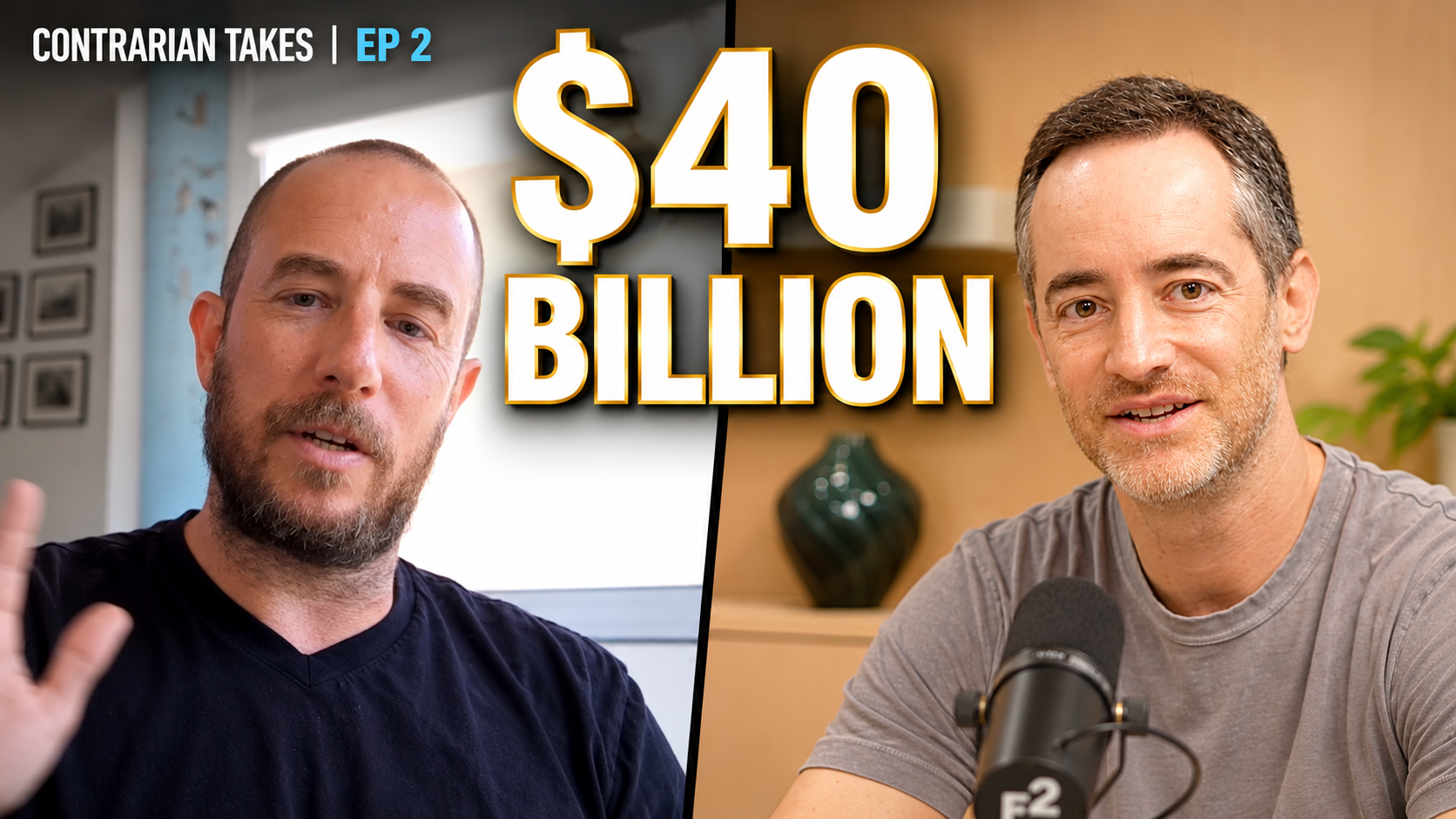
NATO committed $40B to counter-drone defense. Money won’t solve the problem.
Behind Yonatan Zur’s desk hangs the wing of a Hezbollah drone, shot down over Israel during the war.
In July, NATO Allies committed more than $40B to counter-drone capabilities. On the latest episode of Contrarian Takes, Barak Rabinowitz sat down with Yonatan, co-founder and CEO of Regulus, to make the contrarian case. The money will mostly buy more of what already isn’t working.
A threat that iterates faster than anyone can respond
Yonatan opened with two numbers he attributes to the US Department of War. FPV drones cause 60% of casualties in Ukraine, on both sides. A Russian soldier sent to the front line has 20 to 30 minutes before one hits him.
“This is the first time in history that a threat is evolving at a pace that no one can actually win,” he said. “Buy a drone, put something on it, fly it, iterate. Governments are struggling to keep up.”
Systems of systems don’t move
Today’s answer is to stack hardware: tripods, cameras, a jammer, a radar. Each piece is expensive, and together they can take weeks to deploy.
“You’re not sitting somewhere and building a counter-drone fortress,” Yonatan said. “In reality you’re moving. Maybe you’re a tank, maybe you’re a group of soldiers. You need something that is organic, that is with you, small and capable.”
Cost also limits what gets covered. About a year ago, Russian forces wreaked havoc in Ukraine by hitting water, fuel and food trucks. Nobody protects a food truck with a system that costs tens of millions of dollars. Take out the supply lines, and you win the fight.
That’s why $40B doesn’t close the gap. Spending more on fortress systems protects the same few high-value sites. The exposure is everywhere else.
Small, organic, autonomous
Regulus combines command and control, software, jamming and kinetic interception in one autonomous system small enough to mount on a truck. “You don’t need to speak to the driver. He doesn’t even need to know our system is there.”
Who wins
Yonatan’s prediction: “The winner will be the one who can give a simple solution that anyone can operate, that is autonomous, affordable, and can be deployed in big numbers on the frontlines.”
As Barak put it: “Israel became a cyber powerhouse because it’s among the most targeted nations on earth. The same pressure is now shaping the skies.”
Watch the full episode of Contrarian Takes here.

